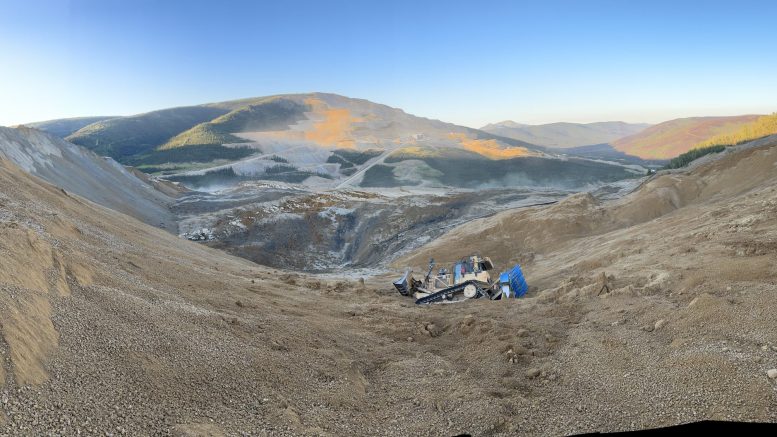
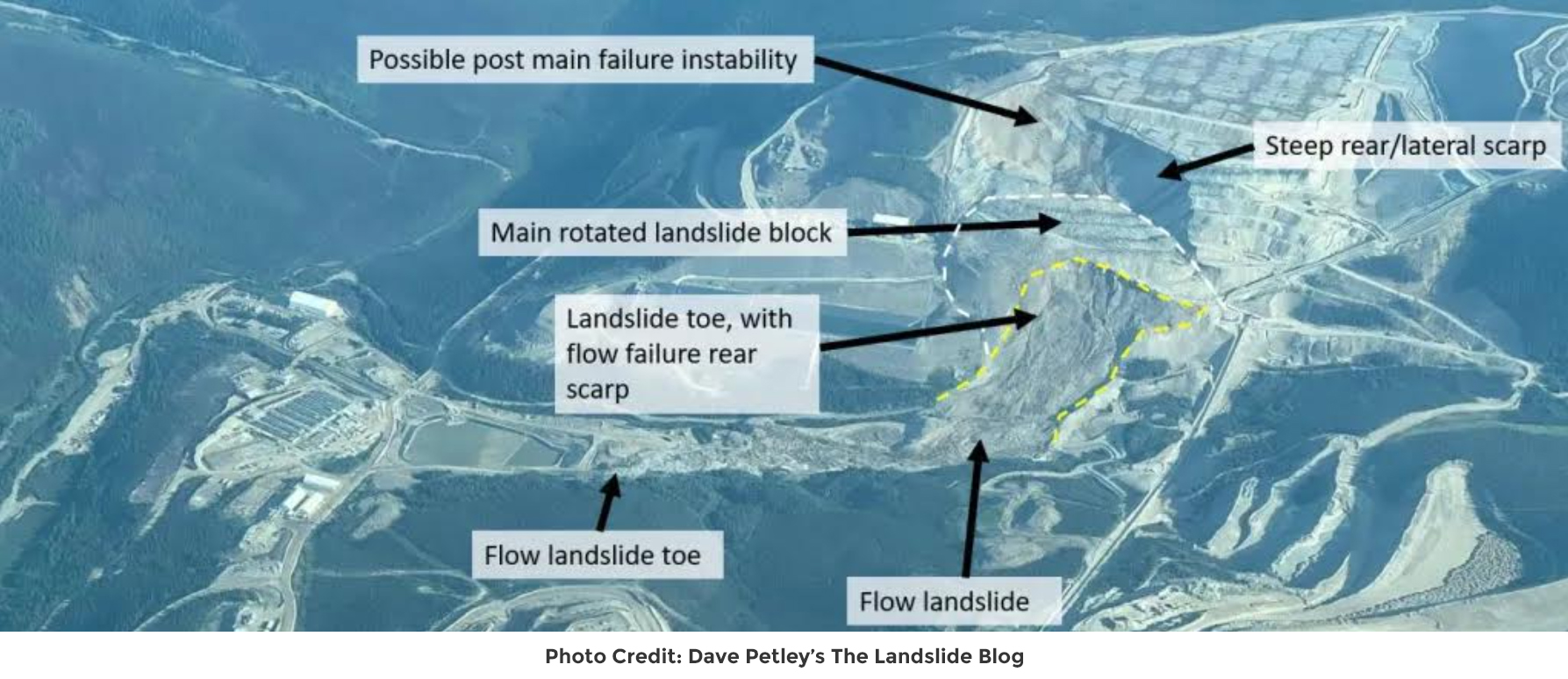
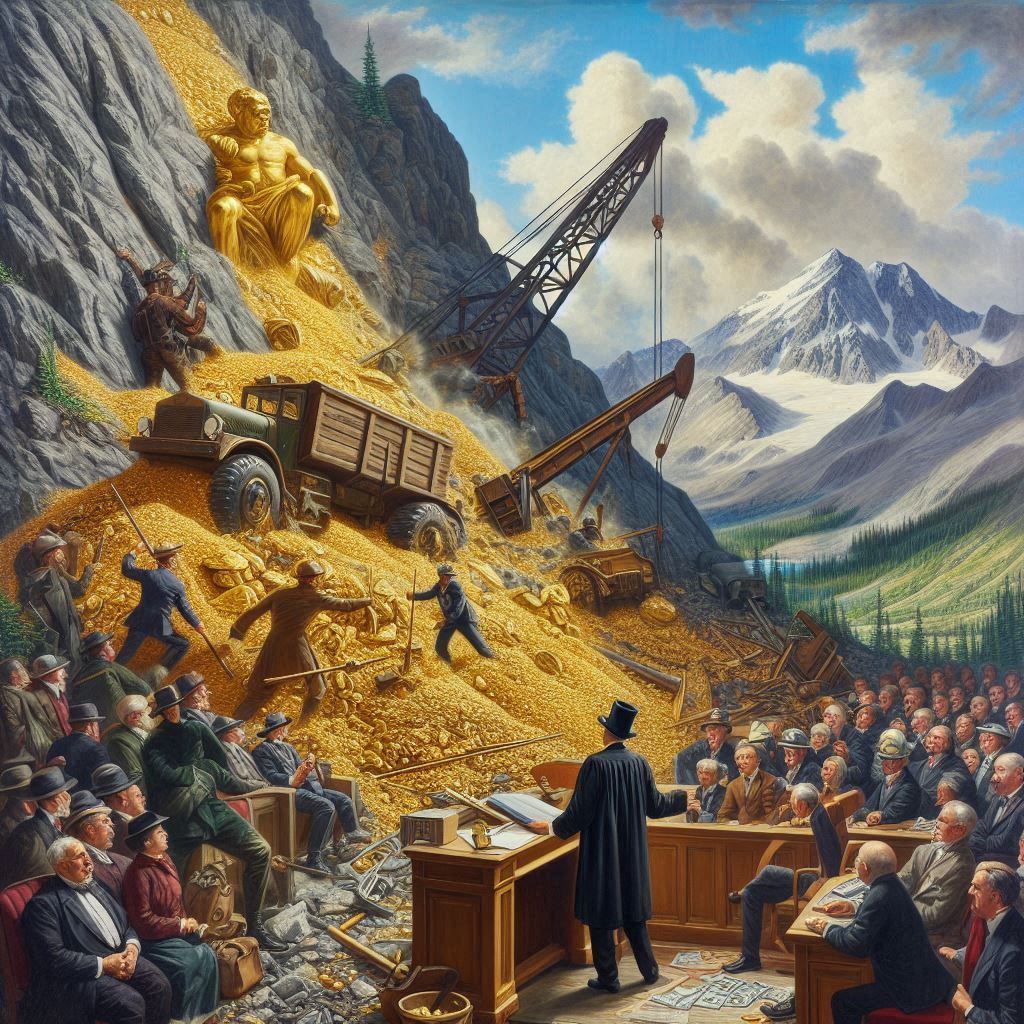
An accident happened. It touched off a panic, which hasn’t subsided yet and the stock remains in deeply oversold territory. In just over a month, investors have lost more than half a billion dollars. Is this value destruction warranted?
As challenging as rebuilding the pad from the wreckage and getting the company out a tailspin, salvaging one’s reputation is much tougher. Regaining stakeholders’ trust and support will take work and demonstrated meaningful actions.
Mining accidents can and do happen. And when they do, clear and transparent communication from management can help calm fears, reassure investors, and stabilize the stock.
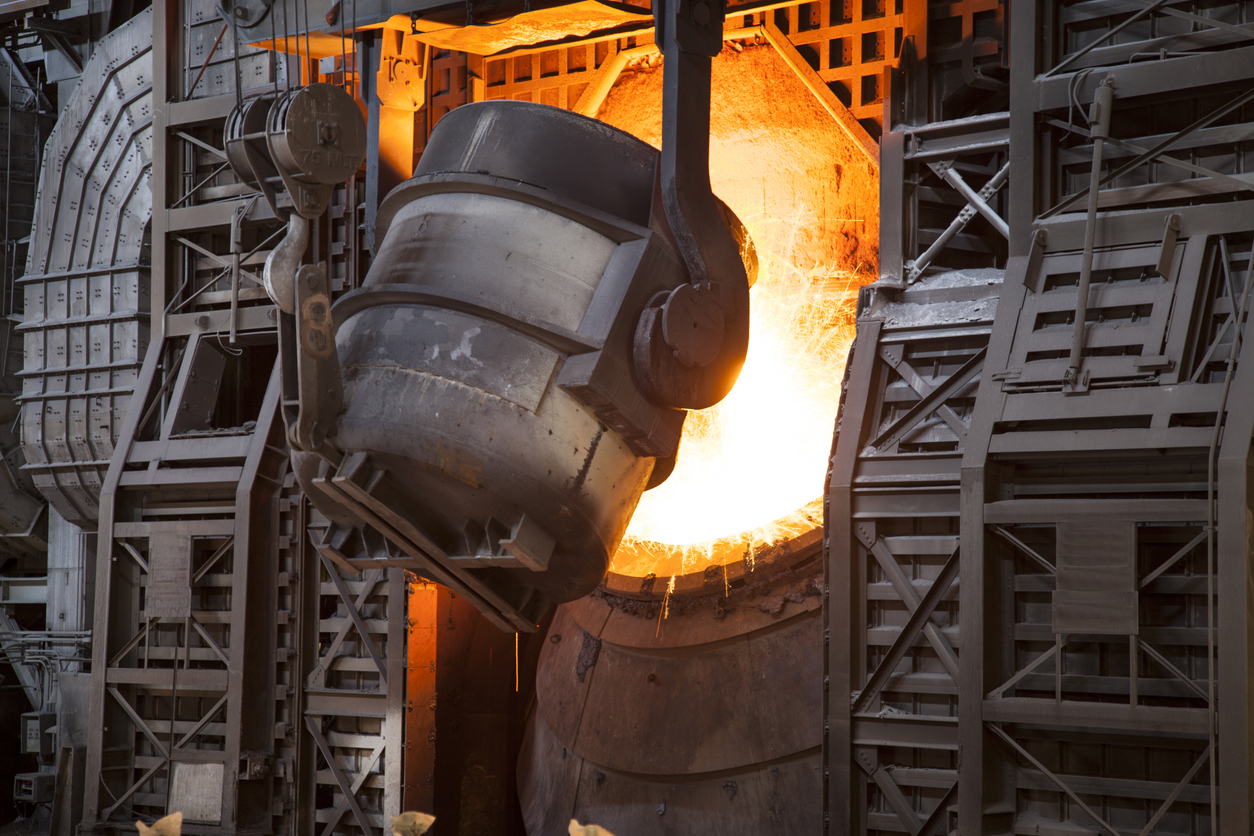
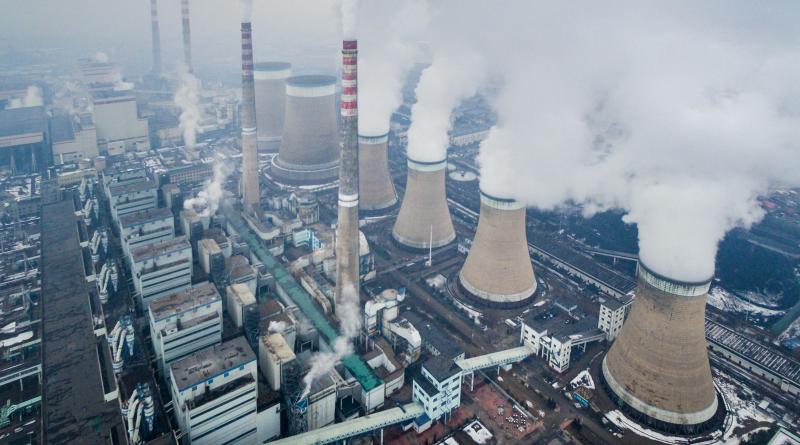
The world is in an inexorable transition toward green energy brought about through a confluence of increasingly severe climate disasters, constantly improving green technologies such as fusion, and rising consciousness on a global scale. The dynamic at work here will idle a lot more coal-powered plants outside China and steadily reduce the overall consumption of met coal.
By banning Australian coal, China hoped to deprive an important trading partner of an important source of revenue. Ironically, in the short term, its action created exactly the opposite.
In West Africa, three countries (Burkina Faso, Mali and Niger) have long been favourite investment destinations of miners, both big producers and junior exploration companies alike.
Mining is essential to the maintenance of civilization, but it’s unloved. That’s unfortunate because other industries such as agriculture and fishing wreak far more damage to the environment.
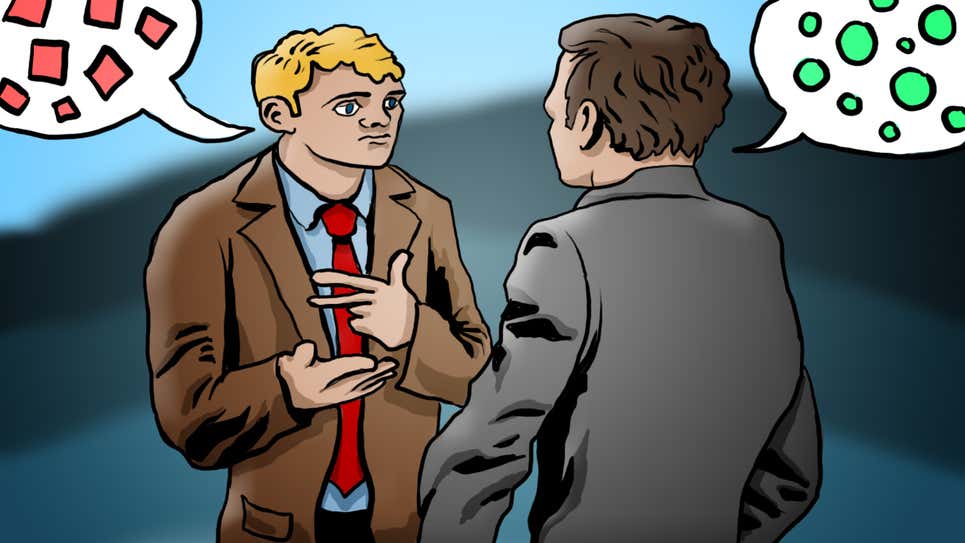
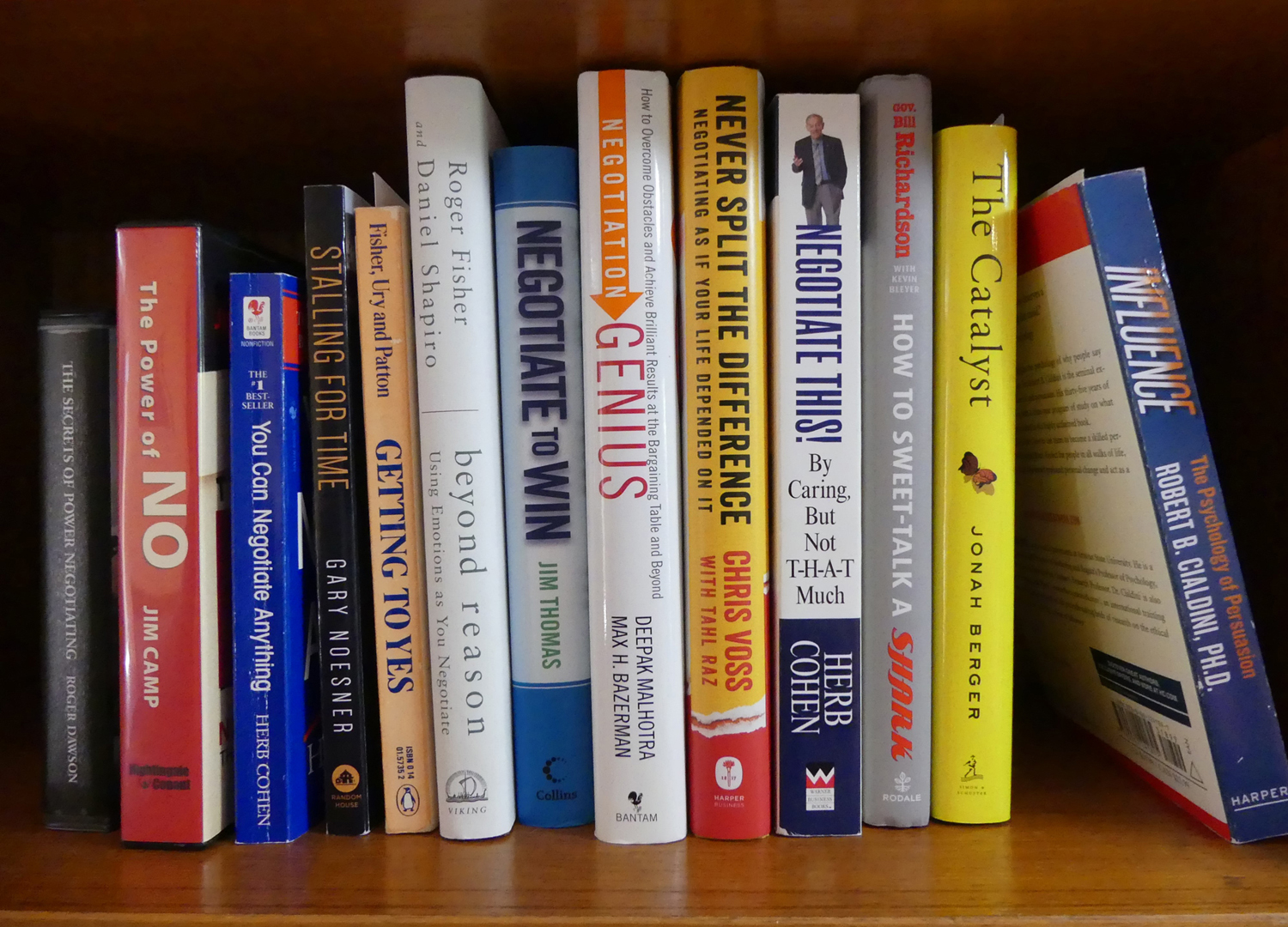
Most negotiation books or courses emphasize the importance of figuring out the dominant negotiating style of the party sitting across the table from you. As Chriss Voss, a former FBI hostage negotiator and author of Never Split the Difference: Negotiating as If Your Life Depends on It explains, there are basically only three: Accommodator, Assertive, and Analyst.
The common refrain mentioned by women who initiate divorce is: “He doesn’t listen to me.”
It’s probably more like a situation whereby the husband has been listening all along, but he just doesn’t know how to engage his wife in a way that makes she feel heard.
Thank you for responding to our proposal. Unfortunately, your counterproposal does not meet our investment criteria so we are withdrawing our offer. We wish you success in landing this funding.
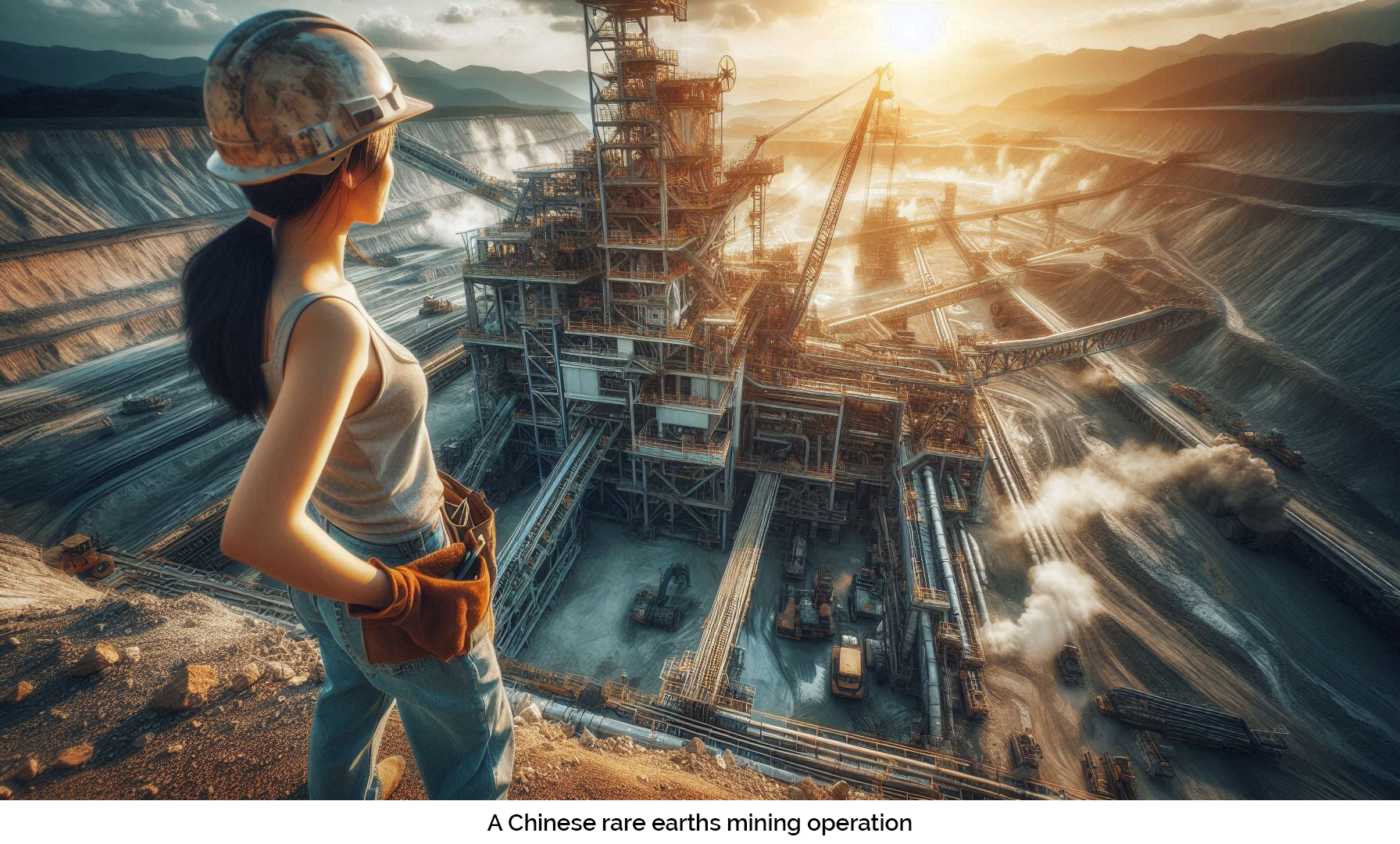
Everything the West believed about China’s peaceful rise was wrong. Now, there is a broad consensus that China is actively undermining key elements of the international rules-based order. And so it’s no surprise that resource-rich countries such as Canada and Australia are casting a critical eye on any proposed Chinese resource acquisitions that involve companies under their jurisdictions.
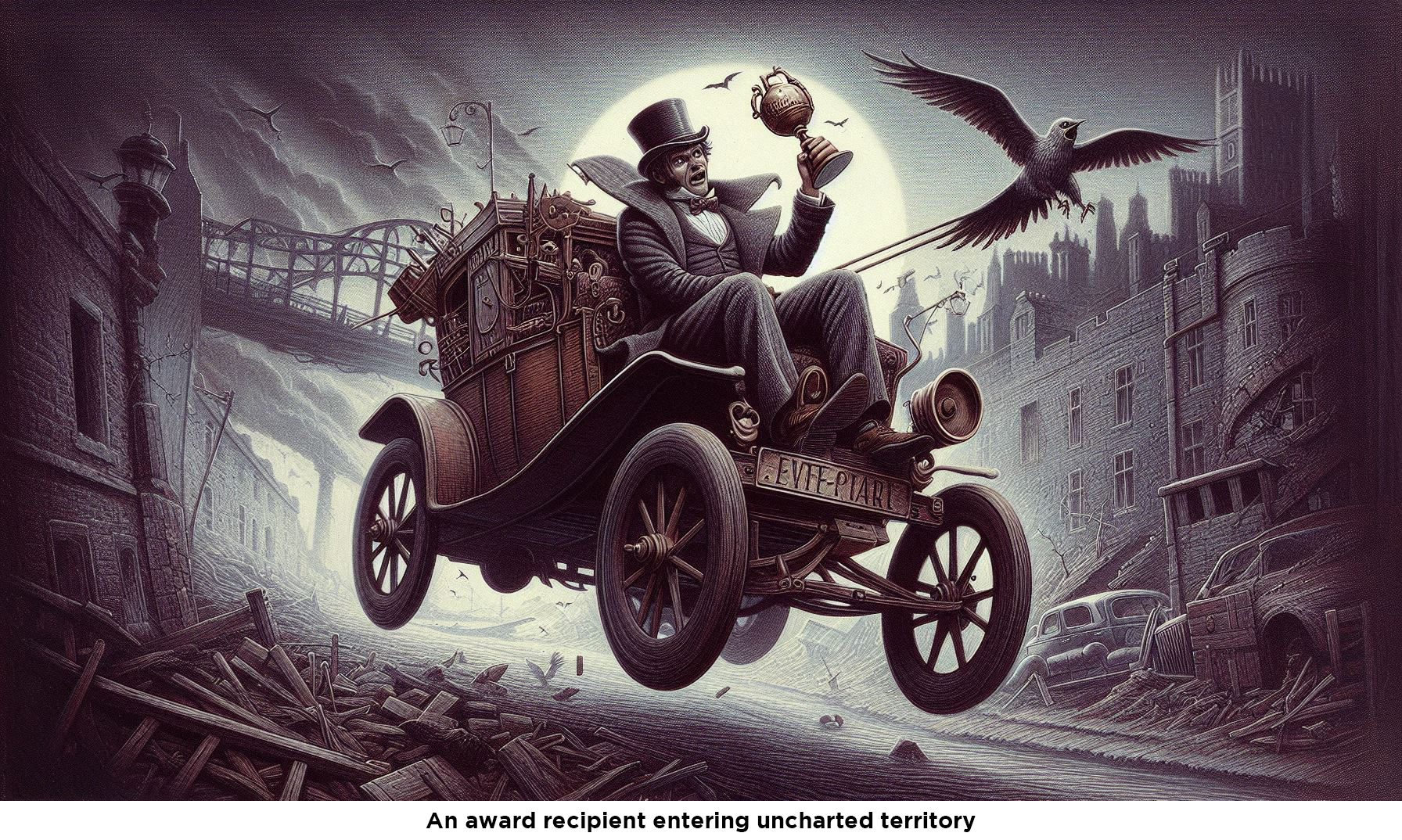
Could it be that the Viola MacMillan Award foreshadows misfortune for its recipients? The correlation is too strong — and eerie to ignore. Looking back to when the award was first introduced in 1985, many recipients have experienced a decline in their fortunes, reputation, or a combination of both.
When under crisis, the tendency is to hunker down and hope the problem will fade away. But that’s precisely the mistake. Prompt and credible disclosure, tireless communication and the courage to face tough questions could have earned management goodwill and sympathy.
An accident happened. It touched off a panic, which hasn’t subsided yet and the stock remains in deeply oversold territory. In just over a month, investors have lost more than half a billion dollars. Is this value destruction warranted?
As challenging as rebuilding the pad from the wreckage and getting the company out a tailspin, salvaging one’s reputation is much tougher. Regaining stakeholders’ trust and support will take work and demonstrated meaningful actions.
Mining accidents can and do happen. And when they do, clear and transparent communication from management can help calm fears, reassure investors, and stabilize the stock.
The world is in an inexorable transition toward green energy brought about through a confluence of increasingly severe climate disasters, constantly improving green technologies such as fusion, and rising consciousness on a global scale. The dynamic at work here will idle a lot more coal-powered plants outside China and steadily reduce the overall consumption of met coal.